Buy rebelbee.eu ?
We are moving the project
rebelbee.eu .
Are you interested in purchasing the domain
rebelbee.eu ?
domain@kv-gmbh.de · 0541-91531010
Buy rebelbee.eu ?
What are irises?
Irises are flowering plants that belong to the Iridaceae family. They are known for their showy, colorful flowers that come in a wide range of hues, including purple, blue, white, and yellow. Irises are popular garden plants due to their beauty and variety, and they are often used in landscaping and floral arrangements. **
Lower classifications of irises
Lower classifications of irises include the following categories: 1. Subgenus: This is a taxonomic rank below the genus level and is used to group species within a genus based on shared characteristics. 2. Section: This is a taxonomic rank below the subgenus level and is used to further classify species within a subgenus based on specific characteristics. 3. Series: This is a taxonomic rank below the section level and is used to group species within a section based on even more specific characteristics. 4. Subsection: This is a taxonomic rank below the series level and is used to further classify species within a series based on additional characteristics. Overall, these lower classifications help botanists and horticulturists organize and categorize the diverse range of iris species based on their unique traits and characteristics. **

Similar search terms for Irises
Top-Angebote
Products related to Irises:
-
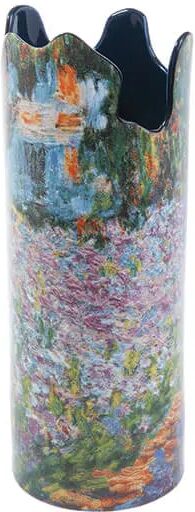
John Beswick Monet Irises in Garden VaseThe Monet Irises in Garden Vase brings a touch of artistic elegance to your living space, perfect for displaying fresh or dried flowers. Inspired by Monet’s iconic artwork, this vase makes a striking centrepiece for your home. Its graceful design enhances any room, adding colour and character whether used alone or filled with floral arrangements.55,00 £*Shipping: 0,00 £Secure redirect to the provider
-
Revolution Cooking Revolution InstaGLO R180 Connect - 9' x 12'2-slice high speed smart toaster featuring patented InstaGLO heating technology, auto lift and lower, and wifi connectivity for local time and weather - perfect toast, rain or shine399,00 $*Shipping: 0,00 $Secure redirect to the provider


-
When are irises planted?
Irises are typically planted in late summer or early fall, around August to October, depending on the specific variety and location. This timing allows the irises to establish their roots before the winter months and ensures they will bloom in the spring or early summer. **
-
'Lower classifications of irises'
Lower classifications of irises refer to the different species, varieties, and cultivars within the Iris genus. These lower classifications help to categorize irises based on specific characteristics such as color, size, and growth habits. Some common lower classifications of irises include bearded irises, Siberian irises, and Japanese irises. Each of these classifications has its own unique features and requirements for care and cultivation. **
-
Which irises are these?
These irises appear to be bearded irises, which are characterized by the fuzzy "beard" on the lower petal of the flower. Bearded irises are a popular garden plant and come in a wide range of colors, including purple, white, yellow, and blue. They are known for their striking appearance and are often used in landscaping and flower arrangements. **
-
When can you transplant irises?
Irises can be transplanted in late summer to early fall, after they have finished blooming. This allows the plants to establish themselves in their new location before the winter months. **


Are irises good for bees, and if so, which species?
Irises are good for bees as they provide a good source of nectar and pollen. Bearded irises, in particular, are known to attract bees with their vibrant colors and sweet fragrance. Other species of irises, such as Dutch irises and Siberian irises, also attract bees and other pollinators to the garden. Overall, planting a variety of iris species can help support bee populations by providing them with a rich source of food. **
Why does a Thuja hedge die after over 30 years due to irises?
A Thuja hedge may die after over 30 years due to irises because the irises can compete with the Thuja for nutrients, water, and sunlight. As the irises grow and spread, they can create a dense root system that deprives the Thuja hedge of essential resources, leading to its decline and eventual death. Additionally, the shade created by the irises can also impact the Thuja's ability to photosynthesize and thrive. Regular maintenance and management of the irises, such as thinning them out and controlling their spread, can help prevent this competition and prolong the life of the Thuja hedge. **
Top-Angebote
Products related to Irises:
-
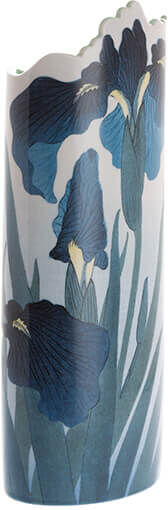
John Beswick Koson Irises VaseThe Koson Irises Vase brings a refined touch to any room, offering a stylish way to display your favourite flowers or enhance your décor. Perfect for adding character to your living space, this elegant vase complements both modern and classic interiors. Its versatile design makes it a lovely centrepiece for everyday use or special occasions.55,00 £*Shipping: 0,00 £Secure redirect to the provider
-
John Beswick Van Gogh Irises VaseThe Van Gogh Irises Vase brings a touch of artistic elegance to your home, inspired by the iconic Irises painting for a distinctive display piece. Showcasing a design influenced by Van Gogh’s celebrated artwork, this vase adds character and colour to any room. It’s perfect for displaying fresh flowers or as a striking decorative accent, helping you create a welcoming atmosphere with ease.55,00 £*Shipping: 0,00 £Secure redirect to the provider
-
John Beswick Monet Irises in Garden VaseThe Monet Irises in Garden Vase brings a touch of artistic elegance to your living space, perfect for displaying fresh or dried flowers. Inspired by Monet’s iconic artwork, this vase makes a striking centrepiece for your home. Its graceful design enhances any room, adding colour and character whether used alone or filled with floral arrangements.55,00 £*Shipping: 0,00 £Secure redirect to the provider
-
What are irises?
Irises are flowering plants that belong to the Iridaceae family. They are known for their showy, colorful flowers that come in a wide range of hues, including purple, blue, white, and yellow. Irises are popular garden plants due to their beauty and variety, and they are often used in landscaping and floral arrangements. **
-
Lower classifications of irises
Lower classifications of irises include the following categories: 1. Subgenus: This is a taxonomic rank below the genus level and is used to group species within a genus based on shared characteristics. 2. Section: This is a taxonomic rank below the subgenus level and is used to further classify species within a subgenus based on specific characteristics. 3. Series: This is a taxonomic rank below the section level and is used to group species within a section based on even more specific characteristics. 4. Subsection: This is a taxonomic rank below the series level and is used to further classify species within a series based on additional characteristics. Overall, these lower classifications help botanists and horticulturists organize and categorize the diverse range of iris species based on their unique traits and characteristics. **
-
When are irises planted?
Irises are typically planted in late summer or early fall, around August to October, depending on the specific variety and location. This timing allows the irises to establish their roots before the winter months and ensures they will bloom in the spring or early summer. **
-
'Lower classifications of irises'
Lower classifications of irises refer to the different species, varieties, and cultivars within the Iris genus. These lower classifications help to categorize irises based on specific characteristics such as color, size, and growth habits. Some common lower classifications of irises include bearded irises, Siberian irises, and Japanese irises. Each of these classifications has its own unique features and requirements for care and cultivation. **
Similar search terms for Irises
-
Revolution Cooking Revolution InstaGLO R180 Connect - 9' x 12'2-slice high speed smart toaster featuring patented InstaGLO heating technology, auto lift and lower, and wifi connectivity for local time and weather - perfect toast, rain or shine399,00 $*Shipping: 0,00 $Secure redirect to the provider
-
Penguin J Krishnamurti Finding Inner Freedom 3 Books Collection Set (Freedom from the Known, The First and Last Freedom, What Are You Doing With Your Life?)J Krishnamurti Finding Inner Freedom 3 Books Collection Set (Freedom from the Known, The First and Last Freedom, What Are You Doing With Your Life?) Freedom from the Known As humans, we have the power to make conscious choices. And yet, we are heavily influenced by everything from social media and the news to the people we surround ourselves with. We begin to focus on what is expected by others, not what we want for ourselves. In Freedom From The Known, globally respected spiritual leader and philosophical thinker Jiddu Krishnamurti reveals how we can free ourselves radically and immediately from the tyranny of the expected. Seen as one of Krishnamurti's most accessible works, this empowering guide will help you to gain a more meaningful perspective on life, helping you to: Break free from fear and expectation Learn to understand yourself and what you truly want Improve your relationships – with others and with yourself Learn to live with clarity, presence, and inner peace Written with eye-opening clarity, this timeless book offers a radical approach to living fully in the present moment, without fear, conflict, or limitation. The First and Last Freedom If truth can set us free, where do we find it? In The First and Last Freedom, Krishnamurti argues that we will not find truth in formal institutions, nor in organised religions and their dogmas, nor in any guru or outside authority; for, according to Krishnamurti, truth can only be realised through self-understanding. Controversial and challenging, yet always enlightening, Krishnamurti guides us through society’s common concerns, such as suffering and fear, love and loneliness, sex and death, the meaning of life, the nature of God, and personal transformation - consistently relating these topics to the essential search for pure truth and perfect freedom. This classic philosophical and spiritual study offers wisdom and insights particularly suited to our own uncertain times. What Are You Doing With Your Life? Who are you? What are you? What do you want from life? One of the world’s great philosophical teachers, Krishnamurti, offers his inspiring wisdom on many of life’s hurdles from relationships and love, to anxiety and loneliness. He answers such questions as ‘What is the significance of life?’ and 'How do I live life to the full?' to reveal the best way of being true to yourself. Read by millions from all walks of life, Krishnamurti shows us there is no path, no higher authority, no guru to follow, and that ultimately it is our own responsibility as to how we live our lives.14,99 £*Shipping: 2,99 £Secure redirect to the provider
-
Charlotte Tilbury Matte Revolution Peachy Pink 719 Matte Revolution Size:Darlings, my Matte Revolution lipstick in Mrs Kisses is a universally-flattering golden peachy-pink lipstick with a nuanced blend of rosy-coral hues for a fresh, natural-looking, glowing lip look! My Look of Love Lipsticks are inspired by the magical, BEAUTY-MORPHING power of LOVE, JOY AND HAPPINESS. A bouquet of DREAMY, ROSEBUD kisses for the prettiest, MOST BEAUTIFUL-looking LIPS! WHAT IS THE LOOK OF LOVE? I have bottled the LOOK OF LOVE with refillable rose petal-inspired lipsticks and versatile, easy-to-use32,00 £*Shipping: 2,95 £Secure redirect to the provider
-
Which irises are these?
These irises appear to be bearded irises, which are characterized by the fuzzy "beard" on the lower petal of the flower. Bearded irises are a popular garden plant and come in a wide range of colors, including purple, white, yellow, and blue. They are known for their striking appearance and are often used in landscaping and flower arrangements. **
-
When can you transplant irises?
Irises can be transplanted in late summer to early fall, after they have finished blooming. This allows the plants to establish themselves in their new location before the winter months. **
-
Are irises good for bees, and if so, which species?
Irises are good for bees as they provide a good source of nectar and pollen. Bearded irises, in particular, are known to attract bees with their vibrant colors and sweet fragrance. Other species of irises, such as Dutch irises and Siberian irises, also attract bees and other pollinators to the garden. Overall, planting a variety of iris species can help support bee populations by providing them with a rich source of food. **
-
Why does a Thuja hedge die after over 30 years due to irises?
A Thuja hedge may die after over 30 years due to irises because the irises can compete with the Thuja for nutrients, water, and sunlight. As the irises grow and spread, they can create a dense root system that deprives the Thuja hedge of essential resources, leading to its decline and eventual death. Additionally, the shade created by the irises can also impact the Thuja's ability to photosynthesize and thrive. Regular maintenance and management of the irises, such as thinning them out and controlling their spread, can help prevent this competition and prolong the life of the Thuja hedge. **
* All prices are inclusive of VAT and, if applicable, plus shipping costs. The offer information is based on the details provided by the respective shop and is updated through automated processes. Real-time updates do not occur, so deviations can occur in individual cases. ** Note: Parts of this content were created by AI.